
If you’re a builder, contractor, or investor exploring sustainable construction materials, you’ve probably wondered: what is AAC block made of? Autoclaved Aerated Concrete (AAC) blocks have become a global favorite for their lightweight, energy-efficient, and eco-friendly properties—but their performance starts with their unique composition.
Unlike traditional clay bricks or concrete blocks that rely on scarce resources or heavy aggregates, AAC blocks are crafted from a blend of natural materials and industrial by-products. This guide breaks down every ingredient in AAC blocks, why each component matters, how they work together, and what this means for your construction projects or AAC block manufacturing business. We’ll also address key questions clients often ask—from raw material availability to cost savings and sustainability—so you can make informed decisions.
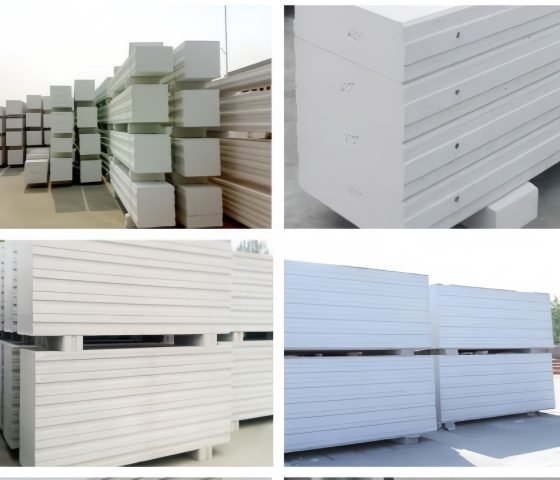
What Is AAC Block Made Of? Core Ingredients & Their Roles
AAC blocks owe their strength, lightness, and insulation to a precise mix of 5 key components. Each ingredient plays a critical role in creating the final product’s signature porous structure and performance:
1. Binders: Cement & Lime (The “Glue” of AAC Blocks)
- Cement: Typically Portland cement, it’s the primary binding agent that holds all ingredients together. It reacts with water to form a hard matrix, providing structural strength to the block.
- Lime: High-calcium lime (quicklime or hydrated lime) accelerates the chemical reaction during curing, improves workability, and enhances the block’s durability. It also helps neutralize acidic by-products from other ingredients (e.g., fly ash).
Together, cement and lime make up 20–30% of AAC block composition. They ensure the block can withstand structural loads while remaining lightweight—critical for reducing building foundation costs.
2. Aggregates: Fly Ash, Sand, or Slag (The “Filler” with Eco Benefits)
Aggregates are the bulk of AAC block composition (50–60%) and are chosen for their availability, cost-effectiveness, and sustainability:
- Fly Ash: A by-product of coal-fired power plants, fly ash is the most common aggregate in AAC blocks. It’s eco-friendly (reduces landfill waste), lowers production costs, and improves the block’s thermal insulation. Fly ash is abundant globally—making it a top choice for AAC block manufacturing plants in countries like India, Pakistan, and China.
- Sand: River sand or crushed sand is used in regions where fly ash is scarce (e.g., parts of Africa, Southeast Asia). It’s a natural, affordable alternative that maintains the block’s strength.
- Slag: A by-product of steel production, slag is another sustainable option that boosts the block’s compressive strength and durability.
The use of industrial by-products (fly ash, slag) is a key selling point for AAC blocks—aligning with global green building standards (LEED, BREEAM) and government sustainability incentives.
3. Foaming Agent: Aluminum Powder (The “Air Bubble Creator”)
Aluminum powder (0.05–0.1% of composition) is the magic ingredient that makes AAC blocks lightweight. When mixed with the other components and water, it reacts with calcium hydroxide (from lime) to release hydrogen gas. This gas creates millions of tiny, uniform air bubbles—accounting for 60–70% of the block’s volume.
The result? A block that’s 65% lighter than traditional concrete blocks but still strong enough for load-bearing walls. For builders, this means easier transportation (30% lower logistics costs) and faster installation (2x more blocks laid per day). For AAC block plant investors, aluminum powder’s low dosage keeps production costs in check.
4. Water (The “Activator” of Reactions)
Water (10–15% of composition) is essential for two key processes:
- It activates the cement-lime binding reaction (hydration), turning the slurry into a solid.
- It enables the aluminum powder’s foaming reaction, ensuring uniform air bubble distribution.
The water-to-binder ratio is carefully controlled in AAC block production lines—too much water weakens the block, while too little prevents proper foaming and curing. Modern AAC block making machines use automated batching systems to maintain precision, ensuring consistent quality.
5. Additives (Optional: Performance Boosters)
Some AAC block manufacturers add small amounts of additives (1–2% of composition) to enhance specific properties:
- Water Reducers: Improve workability without extra water, boosting strength.
- Retarders/Accelerators: Adjust setting time to match production schedules (critical for AAC block plants in extreme climates).
- Water Repellents: Enhance moisture resistance for use in humid regions (e.g., Southeast Asia, Africa’s monsoon zones).
Additives are optional but can make AAC blocks more versatile—adapting to local climate conditions or project requirements (e.g., high-rise buildings, coastal structures).
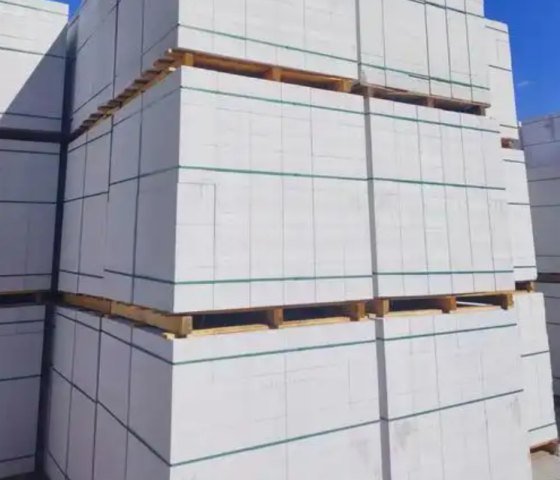
Key Questions Clients Ask About AAC Block Composition
1. Are AAC Block Raw Materials Easy to Source Locally?
Yes—one of the biggest advantages of AAC block manufacturing is that most ingredients are locally available worldwide:
- Fly ash is abundant in countries with coal power plants (India, China, Pakistan, South Africa).
- Sand is accessible in regions near rivers or quarries (Vietnam, Nigeria, Kenya).
- Cement, lime, and aluminum powder are widely traded and affordable.
For investors, local raw material availability means lower transportation costs and higher profit margins. Our AAC block production lines are customized to use region-specific aggregates—e.g., fly ash in India, sand in Kenya—to optimize costs.
2. Is AAC Block Composition Eco-Friendly?
Absolutely. AAC blocks are one of the most sustainable building materials because:
- They use 30–50% industrial by-products (fly ash, slag) that would otherwise end up in landfills.
- Their production consumes 60% less energy than clay brick manufacturing (no firing required).
- They’re 100% recyclable and reduce a building’s carbon footprint by 25–30% (via better insulation).
With governments banning clay bricks (e.g., Pakistan, India, Nigeria) to protect soil resources, AAC blocks’ eco-friendly composition makes them a mandatory choice for sustainable construction—driving demand for AAC block manufacturing plants.
3. How Does Composition Affect AAC Block Performance?
Every ingredient directly impacts the block’s quality:
- Strength: Cement, lime, and aggregates determine compressive strength (AAC blocks typically range from 2.5–5 N/mm², suitable for load-bearing and non-load-bearing walls).
- Lightness: Aluminum powder’s foaming reaction controls density (500–700 kg/m³ vs. 2400 kg/m³ for traditional concrete).
- Insulation: Air bubbles from aluminum powder and porous aggregates (fly ash) provide thermal conductivity of 0.12–0.18 W/mK—cutting energy bills by 25–40%.
- Durability: Lime and additives enhance resistance to moisture, fire, and seismic activity (ideal for earthquake-prone regions like Indonesia, Turkey, Nepal).
For builders, this means AAC blocks outperform traditional materials in nearly every category—while for investors, consistent composition ensures a reliable, high-demand product.
4. Is AAC Block Composition Safe for Construction?
Yes. AAC blocks are non-toxic, non-combustible, and free of harmful chemicals. They don’t emit volatile organic compounds (VOCs) and are resistant to mold, mildew, and pests (no organic materials in composition). This makes them ideal for residential projects (e.g., affordable housing) and commercial buildings (offices, schools, hospitals).
Why AAC Block Composition Matters for Investors
If you’re considering starting an AAC block business, the composition of AAC blocks is a key driver of profitability:
- Low Raw Material Costs: Using industrial by-products (fly ash) and local aggregates reduces input costs by 15–20% vs. clay bricks or concrete blocks.
- Scalable Production: The simple, standardized composition allows for automated production in AAC block plants of all sizes—from mini (30,000 m³/year) to large (600,000+ m³/year).
- High Market Demand: Builders prioritize AAC blocks for their composition-driven benefits (lightweight, insulation, sustainability)—ensuring steady sales for your business.
- Government Incentives: Many countries offer tax breaks or subsidies for manufacturing eco-friendly materials (e.g., India’s PLI scheme, EU’s Green Deal)—rewarding AAC block plant investors.
Final Thoughts: AAC Block Composition = Performance + Profit
AAC blocks’ unique blend of natural materials, industrial by-products, and a foaming agent is what makes them a game-changer in construction. Their composition delivers unmatched benefits—lightweight, energy-efficient, eco-friendly, and cost-effective—for both builders and investors.
If you’re ready to start an AAC block manufacturing business, partnering with a trusted supplier that understands local raw material availability is critical. We offer turnkey AAC block production lines customized to your region—from raw material testing and formula optimization to installation, training, and after-sales support. Our plants are designed to maximize efficiency, minimize costs, and produce high-quality AAC blocks that meet global standards.